Our Blog
Useful articles and news
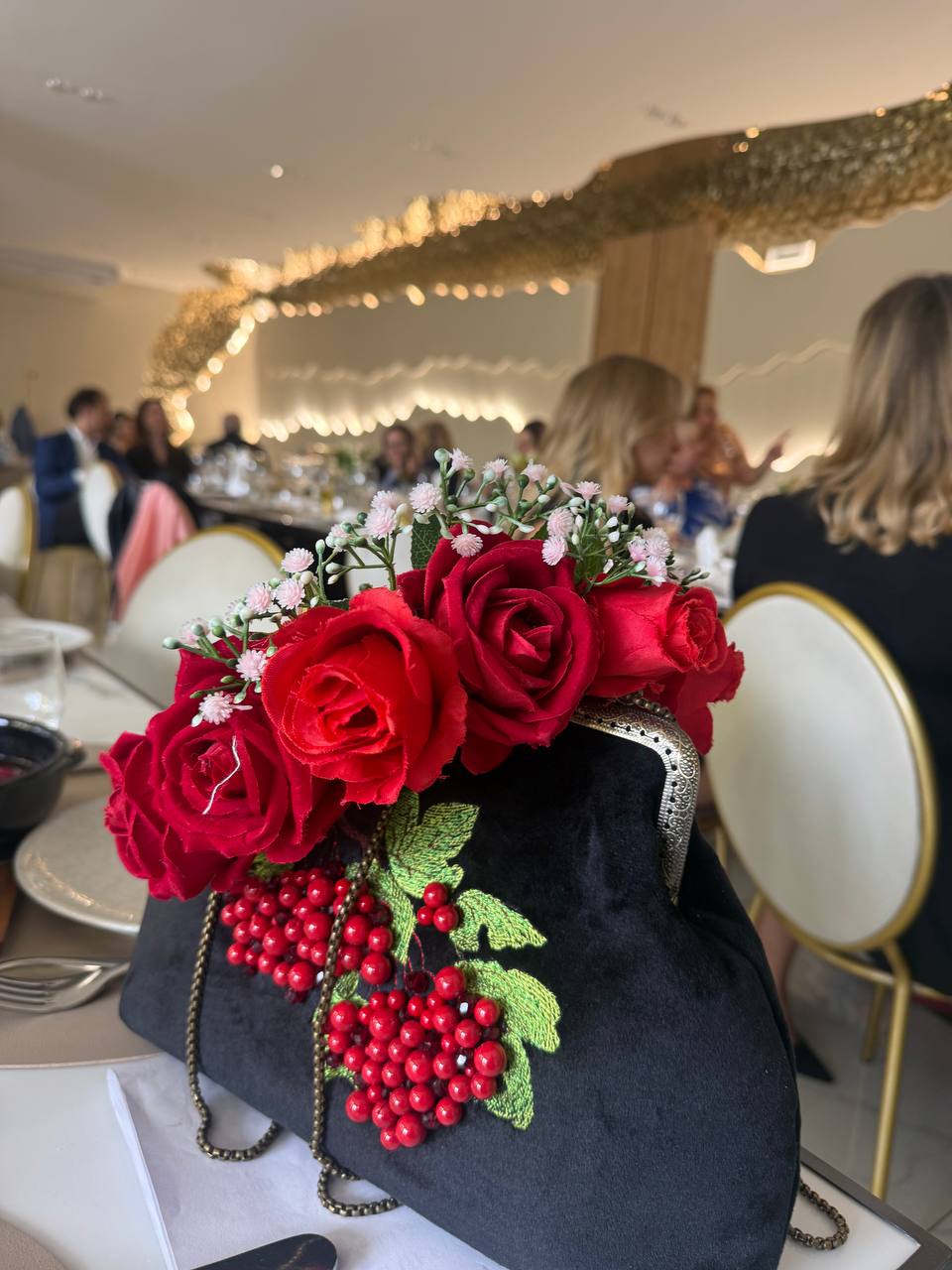
Two Ukrainian associations unite to hold a charity event in Naples
A charity lunch was held in Naples to mark Mother’s Day, bringing together the Ukrainian community and friends of Ukraine in an atmosphere of warmth, unity and solidarity. The event was organised by the CRASA and Dateci le Ali associations at the ‘Anastasia’ restaurant. According to UA Service HUB, the main aim of the event was to present and promote Ukrainian culture in Naples, showcasing its beauty, depth and traditions through art, poetry and traditional dress. The guest of honour for the evening was Oksana Shoorlemmer, a designer and volunteer from Germany, who presented her book ‘Mama’s Shirt’ and a unique collection of embroidered shirts. Oksana Shoorlemmer’s collection provided a wonderful opportunity for guests to gain a deeper understanding of Ukrainian culture, the symbolism of embroidery and the fusion of tradition with contemporary art. A distinctive feature of the works was the combination of traditional Ukrainian embroidery with poetry, which gave each piece a special meaning and emotional depth. During the event, a prize draw and a charity raffle were organised for the guests. Participants had the opportunity not only to support a good cause but also to spend the evening in a cosy and friendly atmosphere. Media support for the event was provided by the Italian office of BusinessWomen magazine. Incidentally, two representatives of the magazine were present at the event – Oksana Shoorlemmer and Zhanna Zhukova, who is also the president of the CRASA APS association. The evening took place in a warm atmosphere of unity, support and solidarity, proving once again that Ukrainian culture is capable of bringing people together in different corners of the world.

"To know in order to understand": "Ukraine is Ukraine" festival continues in Milan
‘Discovering to understand’—this is the very idea behind the ‘Ukraine is Ukraine’ festival, organised by the Associazione Boristene with the support of the Comune di Milano, the Regione Lombardia and Ukrainian institutions. This year, the festival spans three days, each dedicated to a specific aspect of Ukrainian culture and history. The first day was packed with a variety of conferences, which not only captured the audience’s interest but also provided a genuine intellectual journey through time and space. Guests at the event had the opportunity to learn about prominent figures in Ukrainian history and culture. The morning session of the programme was devoted to the history of Ukraine. Professor Yaroslav Hrytsak spoke about the era of the Ukrainian hetmans, whilst Professor Kryvda presented the most prominent female figures — from the Middle Ages to the present day. Portraits of historical figures, displayed during the event, created a special atmosphere in the hall. After the lunch break, the journey continued. Festival participants were transported to the stages of the world’s most famous theatres, where Ukrainian dancers performed, and also set off for the Sahara Desert in the footsteps of Sofia Yablonska — a tireless traveller whose books will soon be published in Italy by Infinito Edizioni. The end of the day brought genuine emotions and smiles to the guests: a Ukrainian couple of travel bloggers showcased — and seemed to let everyone experience — the incredible beauty of Ukraine. 🇺🇦 Upcoming festival events: 🎹 11 May, 19:00 — Residenza Vignale Candlelit concert by Nik Sheva — an Italian-Ukrainian pianist and composer. 🎬 14 May, 7.00 pm — Cinema Arcobaleno The festival’s closing event — a screening of a documentary film dedicated to the presence of Ukrainians in Hollywood.
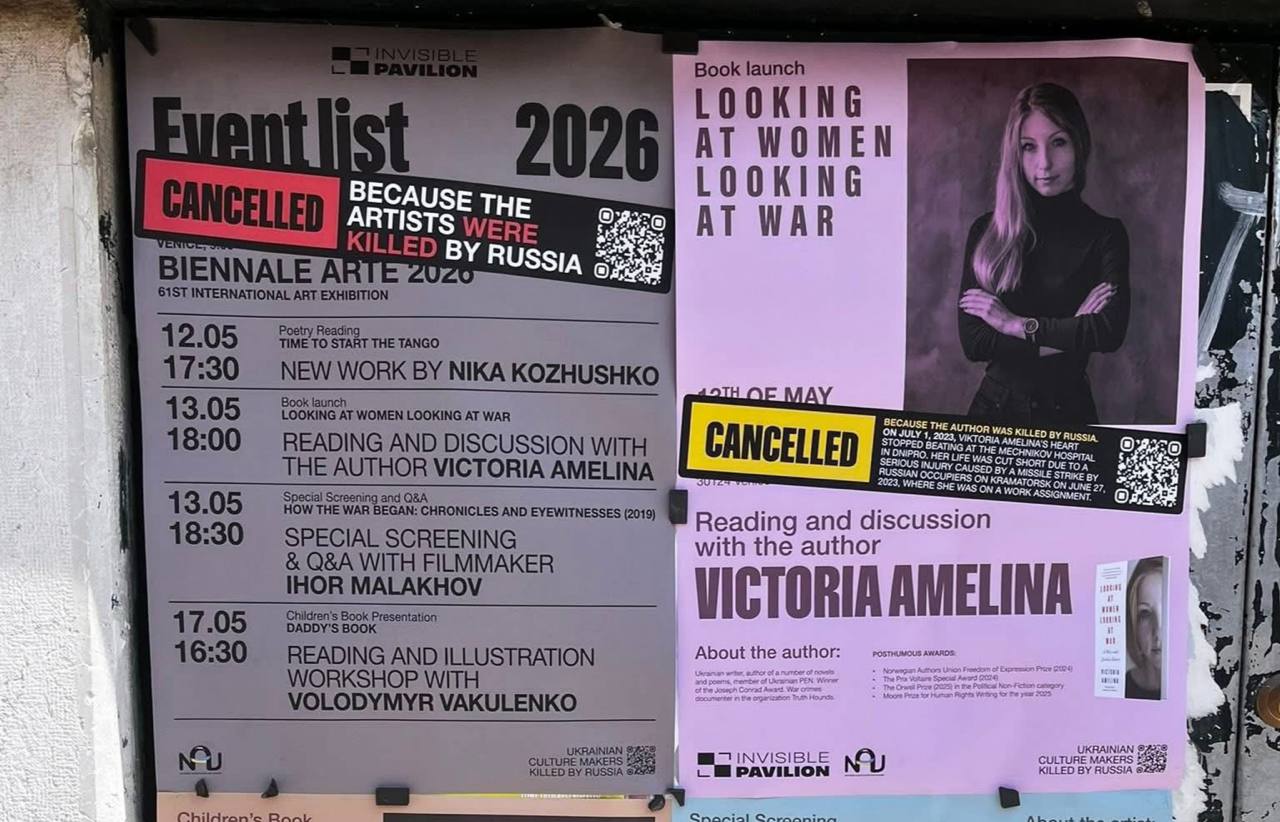
"Invisible Pavilion" of deceased Ukrainian artists appears at the Venice Biennale
Ukrainian activists have organised a powerful anti-Russian campaign at the Venice Biennale. An ‘Invisible Pavilion’ dedicated to deceased Ukrainian artists has appeared in the city. This is a symbolic art project honouring Ukrainian artists, writers, directors and cultural figures who were killed by Russia. The pavilion exists only in the form of posters and manifestos placed throughout the city’s streets. They announce exhibitions, film screenings, book launches and artistic events. But each of these announcements is crossed out by a chilling message: ‘CANCELLED, because the author was killed by Russia’. According to UA Service HUB, the initiative belongs to activists from the Network of Ukrainian Associations in Italy (NAU). QR codes on the posters lead to the digital archive of PEN Ukraine, which contains works, films, books and stories by artists whose voices have been silenced forever by the war. “The Venice Biennale of Art is a space where countries present their cultural voices and finest contemporary artists to the world. The ‘Invisible Pavilion’ transforms Venice into a space of remembrance for the lives destroyed, the creative paths cut short and the stolen future of Ukrainian culture,” note the campaign’s organisers.
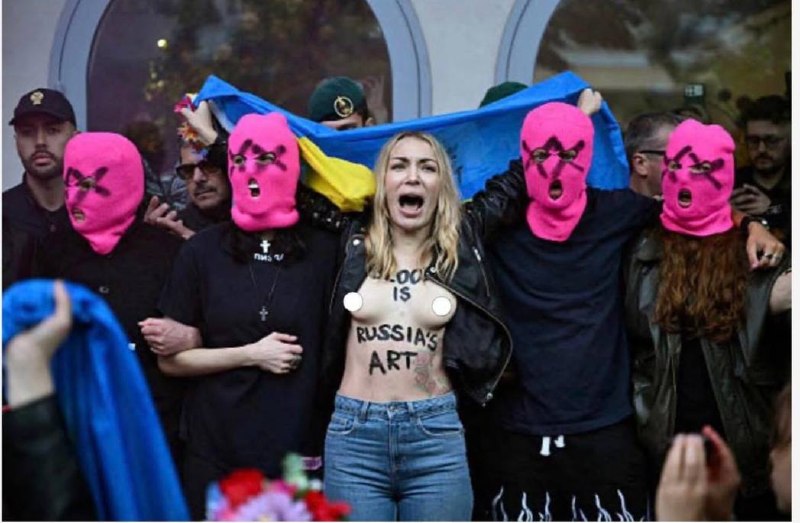
Pussy Riot and FEMEN block Russian pavilion at Venice Biennale
Pussy Riot and FEMEN staged a joint protest outside the Russian pavilion at the Venice Biennale. The activists blocked the entrance to the pavilion, speaking out against Russia’s participation in one of Europe’s most prestigious art events against the backdrop of the ongoing war against Ukraine. According to the protesters, the Russian state uses culture as a propaganda tool, concealing war crimes and destruction behind art exhibitions. Representatives of FEMEN and Pussy Riot stated that “every work presented in the Russian pavilion stands on an invisible foundation — Ukrainian blood”. During the performance, the activists held placards reading: “Russia kills — the Biennale exhibits”, “Blood — the art of Russia” and “Art for the façade — graves below”. They also called on the Biennale organisers to show the “reality of war”: destroyed Ukrainian cities, mass graves and the consequences of Russian missile strikes on civilians. According to UAService Hub, this action marked the first joint public initiative by Pussy Riot and FEMEN. Both movements are known for their protests against authoritarianism, dictatorships and Russian imperialist policies. The protest was accompanied by an attempt to break into the Russian pavilion and attracted significant attention from the police and Biennale visitors.
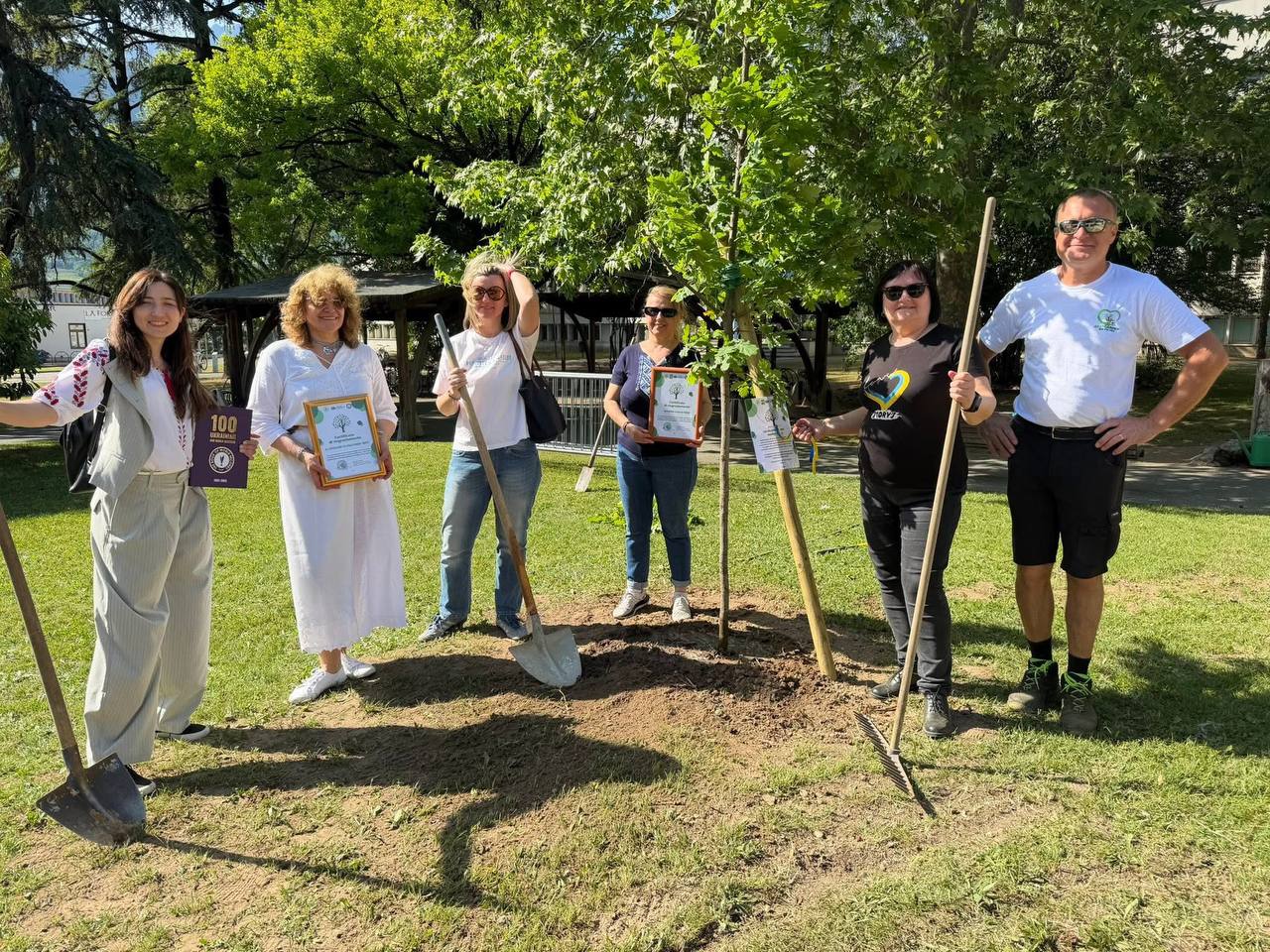
"A Million Trees of Remembrance: Italian activists join the world record
The global campaign ‘A Million Trees in a Day!’ achieved an impressive result — 1,102,365 trees planted in memory and for life across 575 locations in 30 countries around the world. This was reported to the Book World Record representatives. The initiative brought together hundreds of locations and thousands of people around a common goal — honouring the memory of those who died for Ukraine and restoring the planet’s ecosystem. According to UA Service HUB, the directors of the international offices of Business Woman magazine actively joined this large-scale campaign — women who not only shape business communities in various countries but also become part of global social change. In various corners of the world — from Europe to North America — they planted trees alongside Ukrainian communities and international partners as a symbol of life, remembrance and resilience. The geographical scope of participation is impressive: Norway, Armenia, Switzerland, Denmark, Italy, Poland, Spain, Paraguay, Germany, Moldova, Hungary, Portugal, Slovakia, Georgia, Turkey, Greece, France, Slovenia, South Korea, Canada, the USA — and these are just some of the countries where the Business Woman team has become part of this global movement. Ukrainian activists in Italy have also actively joined this initiative. “Special thanks to Ms Natalia Natalì YA from Rovereto and Ms Yaroslava Vyshnevska from Bergamo, who took part in this record-breaking attempt and proved that even under difficult conditions, it is possible to act quickly and effectively,” said Nadiya Bereziuk, director of the Italian office of Business Woman magazine.
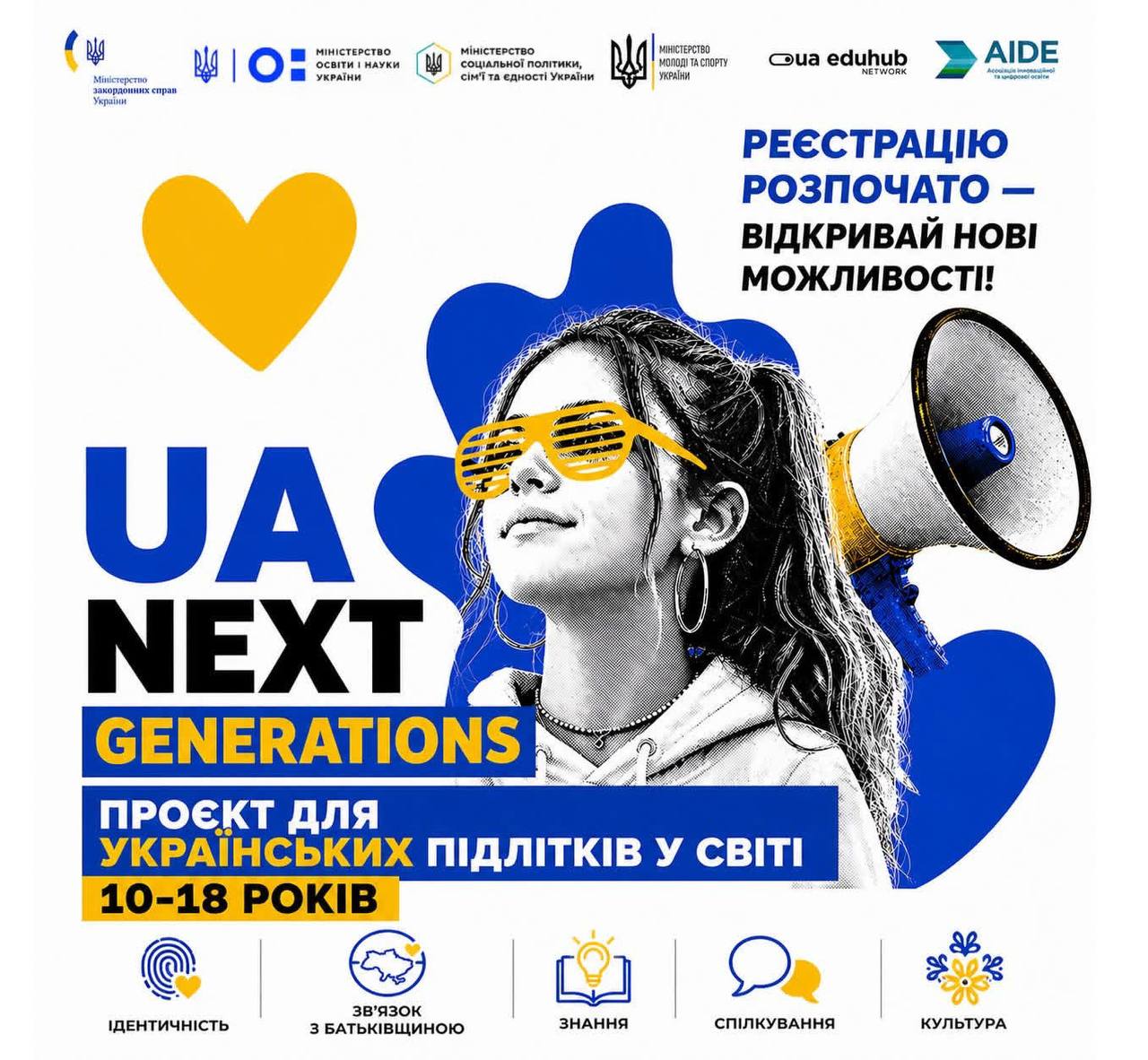
UA NEXT GENERATIONS: young ambassadors of Ukraine are wanted
Wherever you are – Ukraine can be with you every day! The Association for Innovative and Digital Education (AIDE: EduHub), together with the Ministry of Foreign Affairs of Ukraine, the Ministry of Education and Science of Ukraine, the Ministry of Social Policy, Family and Unity of Ukraine, and the Ministry of Youth and Sport of Ukraine, invites teenagers aged 10–18 and their families from the following countries: 🔸Europe 🔸the Middle East 🔸Africa to join the unique “UA NEXT GENERATIONS” project and receive a “Young Ambassador of Ukraine” certificate. If you want to maintain a living connection with Ukraine and gain a deeper understanding of its strength, culture and people – this project is for you. “UA NEXT GENERATIONS” offers: 🔹 5 interactive online sessions 🔹 a modern learning format 🔹 topics on Ukrainian identity, language, culture and the global achievements of Ukrainians 🔹 new connections and lively communication with peers from different countries. This is an opportunity: 🔸 for teenagers — to feel part of modern Ukraine, make friends and strengthen their own identity 🔸 for parents — to support their child’s connection with their homeland and the Ukrainian community worldwide. 📌 Participation in the project is free of charge. Dates: 📍Every Saturday from 6 June to 4 July 2026 Time: ⏰ 16:00 – 17:00 (Kyiv time) Outcome: 🎯 ‘Young Ambassador of Ukraine’ certificate 🎯 membership of the Network of Youth Leaders of the Ukrainian Community Worldwide. Register via the link: 👉 https://forms.gle/fGoY4qt3uhqGWzPa9 The aim of the project is to give you the opportunity to remain Ukrainian, wherever you currently live!
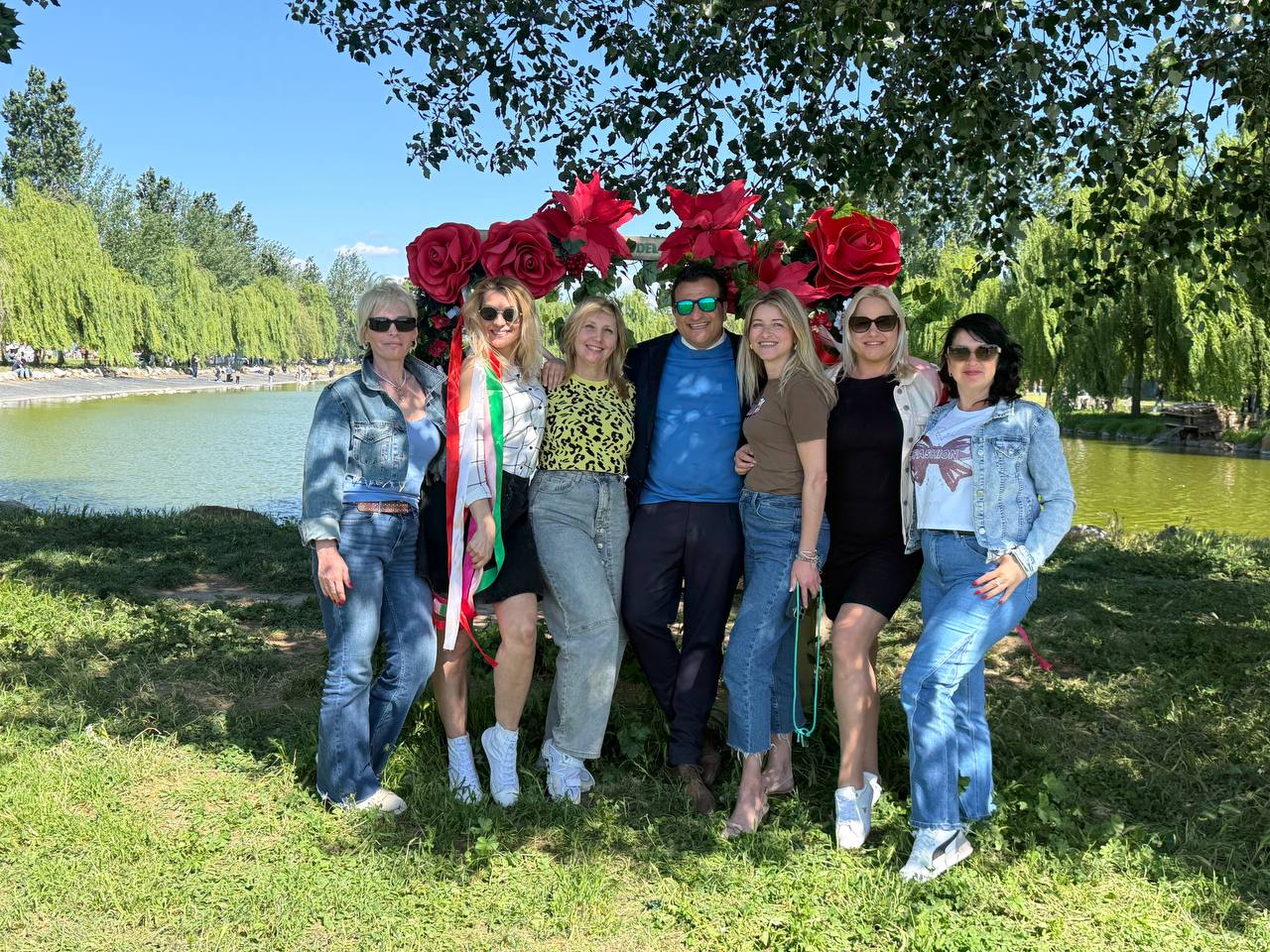
UA Picnic: Ukrainian karaoke, psychological games and delicious barbecue
A warm and inspiring UA Picnic took place in Marcianise (province of Caserta), combining relaxation, socialising and a focus on mental health. Organised by the Lalla Club women’s club, the event was both fun and meaningful: guests were treated to a presentation, interactive games, open-air karaoke and, of course, delicious shashlik, creating a truly homely atmosphere. A key highlight was the launch of Mindspace, Italy’s first mental fitness club — a space for support and recovery for Ukrainians living far from home. In these challenging times, this place is designed to be a haven where one can pause, take a breath and restore inner balance. The club’s founder is Oleksandr Mesetsko, a member of the CRASA APS association, a CBT consultant and coach. According to UA Service HUB, Mindspace brings together specialists from various fields: adult and child psychologists, family counsellors, coaches, experts in physical and spiritual practices, as well as play therapists. The uniqueness of the space lies in the combination of evidence-based psychology, practical tools and gentle approaches to development without pressure or exhaustion. Picnic guests were able not only to learn about the project but also to experience the atmosphere of a community where self-care, openness and mutual support are paramount. The event’s information partners were the CRASA APS association and UA Service HUB.
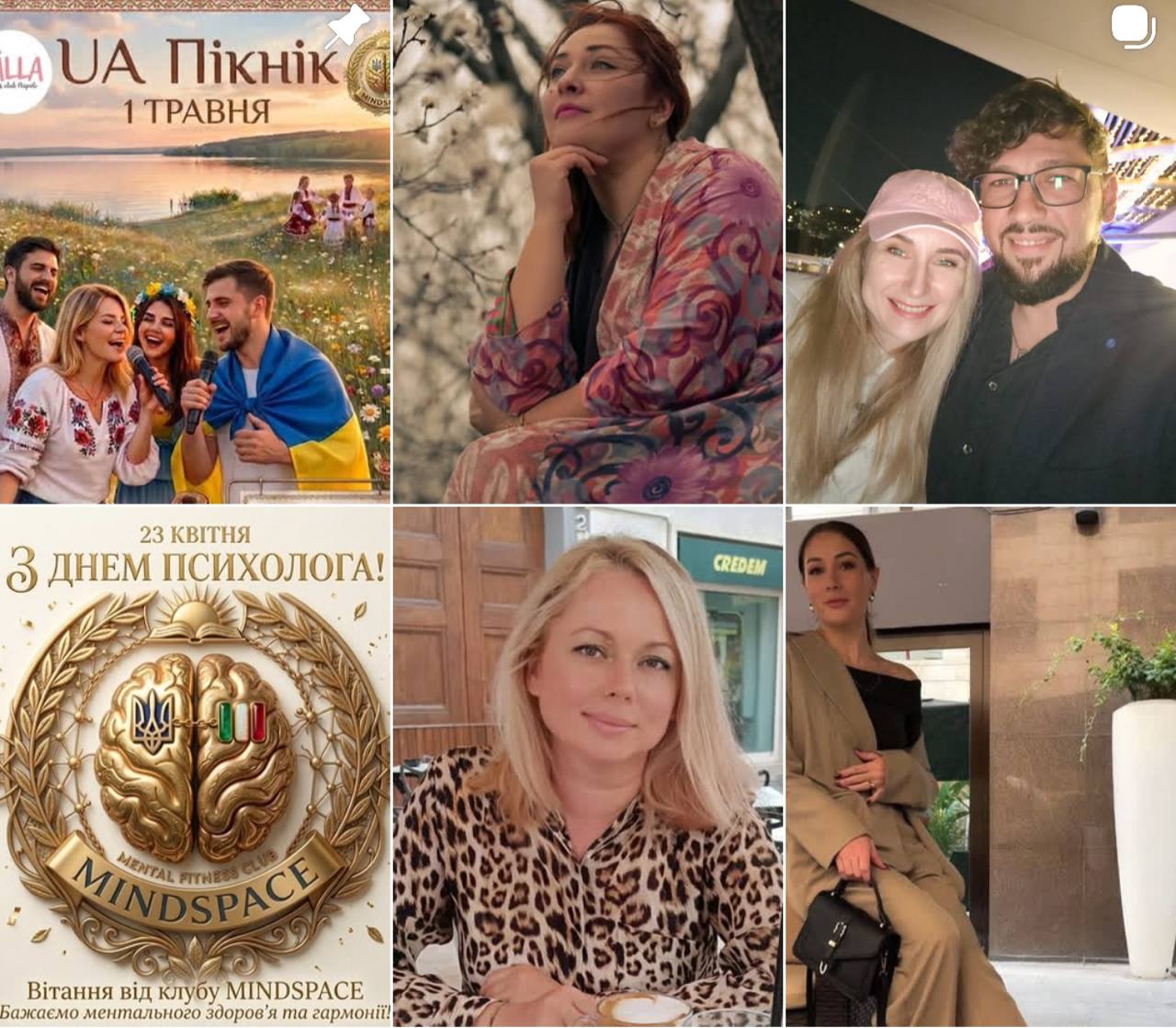
Mindspace: Ukrainians set up a mental fitness club in Italy
Here is an updated news item with contributions from our media partners: ⸻ A special space for support and recovery has opened in Italy — the first Mindspace mental fitness club. In these difficult times, many people need a place where they can pause, take a breath and find inner strength. Mindspace has become just such a safe space — for Ukrainians seeking psychological and emotional support far from home. The club’s founder is Oleksandr Mesetsko, a member of the CRASA APS association, a CBT consultant and coach. What makes Mindspace special? It is the first space in Italy to bring together specialists from various fields for a comprehensive and caring approach to mental wellbeing. The club is staffed by: adult and child psychologists, family counsellors, coaches, and experts in spiritual and physical practices and play therapy. The concept is based on a harmonious blend of modern evidence-based psychology, practical tools and spiritual approaches. This format offers a healthy alternative to traditional personal development: instead of an exhausting pursuit of results — gentle self-care and mindfulness. “There is no motivational pressure here — only support, clarity and direction,” emphasises the Mindspace team. Participants can choose a convenient format for interaction: individual consultations, group meetings or in-depth retreats to recharge their batteries. Come and meet us! The first public meeting and presentation of the club will take place as part of the UA Picnic on 1 May in Marchyanyze (Kampania). This is a wonderful opportunity to meet the team, experience the community atmosphere and take the first step towards your own mental health. The event’s information partner is UA Service HUB. Come along — you’re not alone, and looking after yourself really is important.
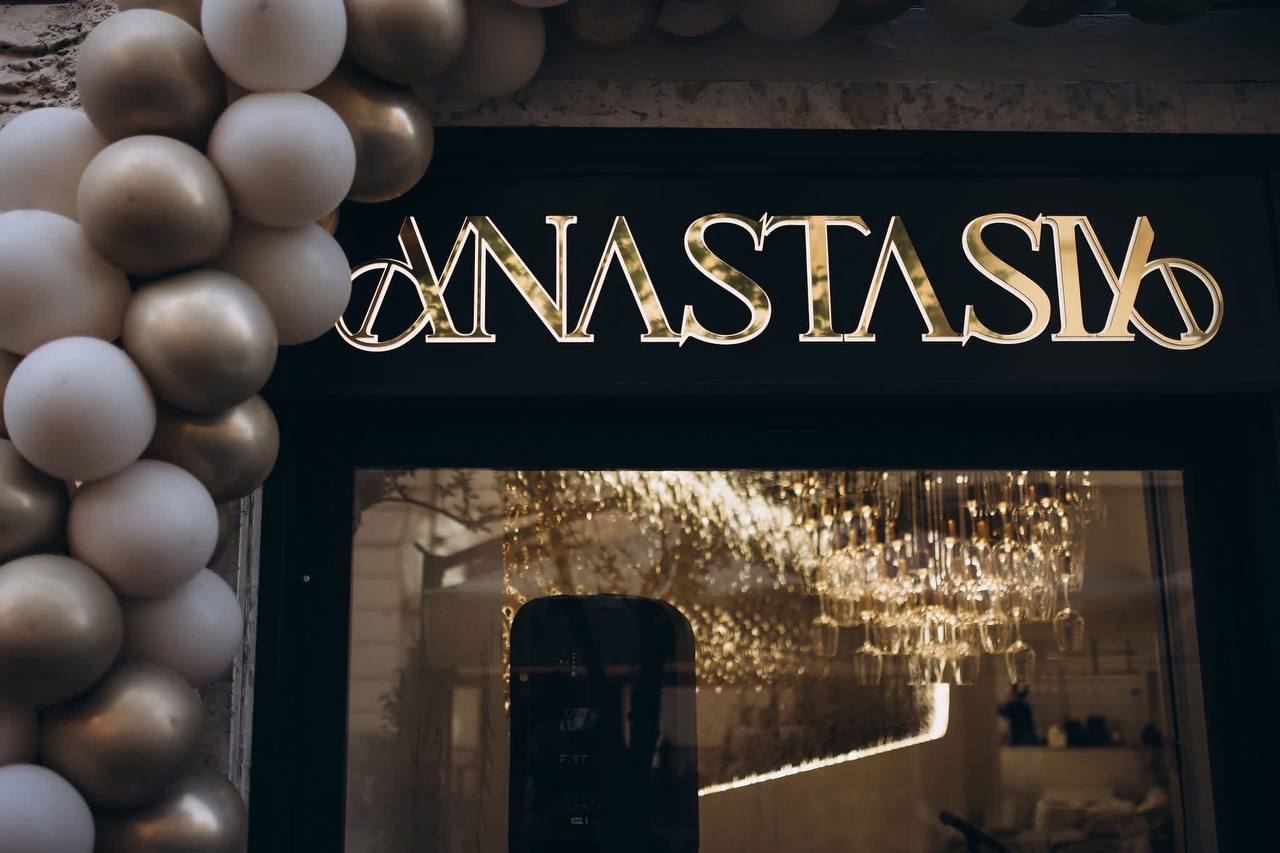
It's already a chain: Ukrainian restaurant Anastasia opened in Rome
On 23 April, an important event for the Ukrainian community took place in Rome: the opening of the new Ukrainian restaurant ‘Anastasia’. The restaurant is located at Via del Gazometro, 34, and is already attracting the attention not only of Ukrainians in Italy but also of local residents interested in traditional Ukrainian cuisine, culture and a warm, welcoming atmosphere. The ‘Anastasia’ restaurant is not just a place where you can enjoy delicious Ukrainian dishes in Rome. It is a new space for meetings, lively conversation, making new friends and supporting Ukrainians who live, work or are temporarily staying in Italy. For many Ukrainians abroad, such places hold special significance, as they help maintain a connection with their native culture, language, traditions and the taste of home. The restaurant’s menu features dishes that are familiar to every Ukrainian: borscht, varenyky, stuffed cabbage rolls, homemade meat dishes, salads, appetisers and other traditional Ukrainian fare. It is precisely this food that often serves as an emotional bridge between Ukraine and life abroad. For Italians, this is a wonderful opportunity to discover Ukrainian gastronomy, which combines generosity, naturalness, rich flavours and homely warmth. The new establishment is restaurateur Mykola Oleksiv’s second restaurant project in Italy. His first restaurant is operating successfully in the province of Naples and has already gained popularity among diners. The opening of the ‘Anastasia’ restaurant in Rome marked an important step in the development of Ukrainian business in Italy and the promotion of Ukrainian culture among an international audience. According to the owner, the idea behind the restaurant is not only to offer guests high-quality Ukrainian food, but also to create a place where every Ukrainian can feel closer to home. There is a large Ukrainian community living in the Italian capital, so the emergence of such a space is particularly timely. According to UA Service HUB, the ‘Anastasia’ restaurant plans to become not just a dining venue, but also a cultural hub. In the future, it may host themed evenings, Ukrainian community gatherings, cultural events, celebrations and functions that will help bring Ukrainians in Rome together. The opening of the ‘Anastasia’ restaurant is yet another example of how Ukrainians in Italy are developing their own initiatives, setting up businesses, supporting one another and introducing Italian society to Ukrainian culture. Such spaces are of great importance, as they help shape a positive image of Ukraine abroad and demonstrate that Ukrainian cuisine, hospitality and traditions can be interesting, delicious and appealing to people of different nationalities. If you’re looking for a place to enjoy delicious Ukrainian food in Rome, try homemade borscht or varenyky, or simply spend time in a warm Ukrainian atmosphere, the ‘Anastasia’ restaurant at Via del Gazometro, 34 could become your new favourite meeting spot. For Ukrainians in Italy, this is not just a new restaurant. It is another place of unity, support and preservation of Ukrainian identity far from home. And for visitors to Rome, it is a wonderful opportunity to discover the true taste of Ukraine. address on the map