Kulebyaka instead of pizza: there are calls to ban the Italian dish from Russian schools
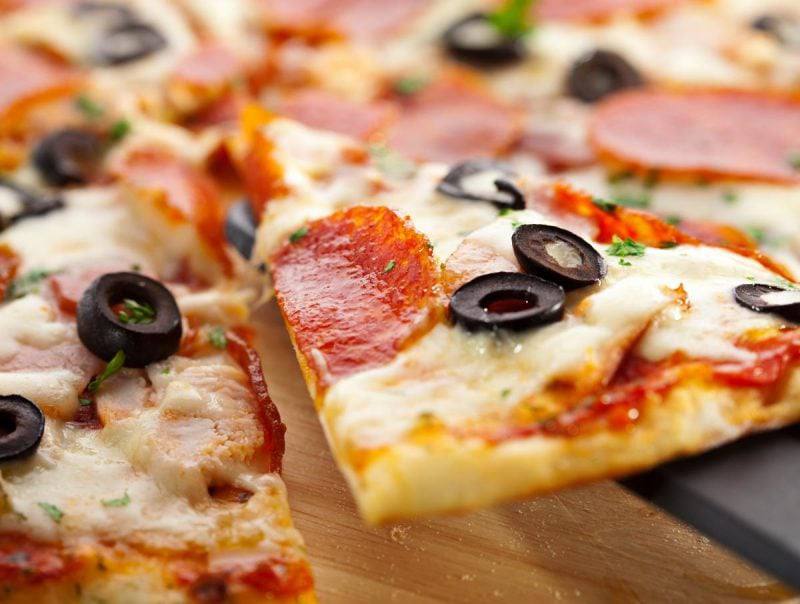
Russian public figures have called for pizza to be banned from school and university canteens.
The reason is the Italian origin of this popular dish and political relations between Russia and Italy.
The initiator of this unusual proposal was Vitaly Borodin — head of the Federal Project on Security and Anti-Corruption (FPAC), a Russian public figure known for his public campaigns and appeals to law enforcement agencies regarding various figures from the worlds of culture, the media and public life.
It was on 3 November 2026 that Borodin published a proposal on his Telegram channel to ban pizza in Russia, starting with school and university canteens. He described the Italian dish as ‘soft power in a cardboard box’.
The activist explained his position by stating that Italy is on the list of states unfriendly to Russia and supplies weapons to Ukraine. In his view, Russian children have become too accustomed to ‘foreign fast food’ and are not sufficiently familiar with national cuisine.
As an alternative to pizza, Borodin proposed bringing traditional pastries back onto the menu: kulebyaki, kurniki, rozstebai and other pies. The initiative gained further traction on 5 November, when Elena Yampolskaya, an adviser to the President of the Russian Federation, backed the idea of removing pizza from school canteens.
At the same time, she emphasised the dish’s alleged lack of nutritional value for children’s diets and the need to promote traditional cuisine.
As of 6 November, this remains a public initiative and a matter of debate, rather than a formal nationwide decision. However, the proposal itself has already sparked a discussion on whether a dish’s origin can be grounds for its removal from school menus.