It will become even more difficult for Russian tourists to come to Italy
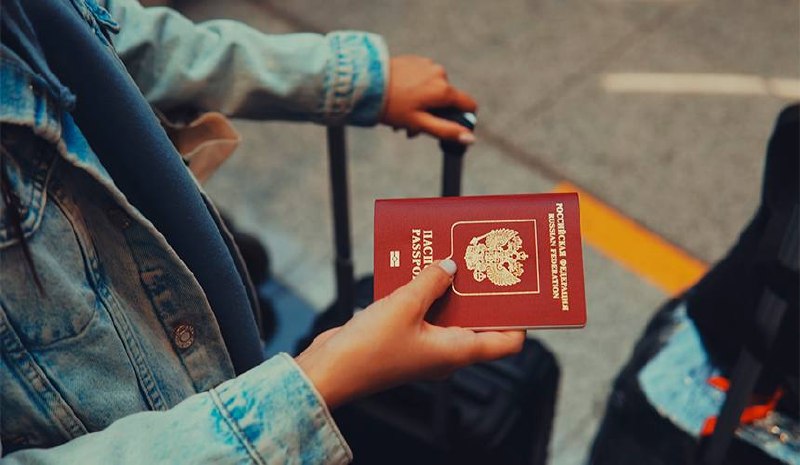
Italy has introduced new restrictions for Russian citizens applying for Schengen visas. Following a high-profile scandal involving the illegal issuance of visas through diplomatic channels, Italian visa centres in Russia have changed their application procedures. From 12 May, the VMS and Almaviva centres will no longer accept applications via intermediaries, agents, couriers, authorised representatives or travel agencies. Applicants must now visit the visa centre in person with their passport and a prior booking made via the online system.
The reason for this decision was the scandal surrounding the former Italian ambassador to Uzbekistan. According to media reports, the Italian diplomat is suspected of involvement in the illegal issuance of long-term Schengen visas to Russian citizens in circumvention of established rules. The investigation files mention sums ranging from 4,000 to 16,000 euros for a single such ‘service’.
The Uzbekistan route attracted particular attention. Following the outbreak of full-scale war against Ukraine, Russian citizens often sought alternative ways to obtain European visas outside Russia — notably through consulates in third countries. Such routes became popular due to the more complex application procedure within Russia itself, a shortage of appointment slots, and a general tightening of controls by EU countries.
The new rules effectively eliminate one of the most common methods of submitting documents — through an intermediary. Previously, an applicant could hand over their passport, application form, insurance, booking confirmation and other documents to an agent or courier, who would then submit the package to the visa centre on their behalf. This option is now closed: personal attendance has become mandatory.
This could significantly complicate the process of obtaining an Italian Schengen visa. The problem will primarily affect those living outside Moscow or St Petersburg, in the regions. People will now have to travel to the visa centre in person, book an appointment, pay for travel and wait for available slots. Tour operators are already warning that, due to the increased workload, processing times may lengthen, and the entire process could in some cases take up to several months.
This is particularly problematic for the summer tourist season. Italy has traditionally been one of the most popular European destinations among Russians: Rome, Milan, Venice, Florence, the Amalfi Coast and Sicily were among the most sought-after destinations. However, even having tickets, hotel bookings and financial documents no longer guarantees a quick application. The main bottleneck is not the visa itself, but the ability to book an appointment.
An interesting fact: in the Schengen system, the visa itself is not an absolute guarantee of entry. The final decision is made by the border guard at the border. Even with a valid visa, you may be asked to confirm the purpose of your trip, your accommodation booking, your return ticket, your insurance and your financial means. Following corruption scandals and tighter controls, such checks may become even more thorough.
Another important point is that Italy has long remained one of the EU countries that continued to issue Schengen tourist visas to Russians more readily than some other EU states. For example, the Baltic states, Poland, the Czech Republic and a number of other countries imposed much stricter restrictions on tourist entry for Russian citizens. Against this backdrop, Italy appeared to be a more accessible destination for many applicants.
This is precisely why the crackdown on intermediary schemes could have a significant practical impact. Formally, Italy has not imposed a complete ban on issuing visas to Russians, but has made the procedure less convenient, more tightly controlled and less suitable for mass ‘bulk’ processing through agencies.
In fact, the new rules have several objectives. Firstly, to reduce the risk of submitting fictitious or dubious documents. Secondly, to complicate the work of illegal intermediaries who profited from the shortage of slots and “accompanying” applicants. Thirdly, to demonstrate that, following the visa scandal, Italy is tightening controls and attempting to protect the reputation of its consular system.
At the same time, for ordinary applicants, this means more red tape. Now they must keep an eye out for available dates themselves, compile the correct set of documents, attend the appointment in person, and be prepared for a longer wait. An error in the documents or the absence of the required confirmation could result in wasted time and the need to book a new appointment.
Thus, Italy has not closed the door to Russian tourists entirely, but has significantly narrowed the scope for ‘convenient’ processing via third parties. In practice, this could lead to longer queues, higher costs for support services, increased demand for scarce slots, and the cancellation of some summer trips. The visa scandal has shown that even in traditionally popular tourist destinations, Europe is gradually moving towards stricter and more personalised checks on applicants.